
DAOIST HEALTH CARE
Ancient wisdom for cultivating balance, vitality, and embodied presence in modern life
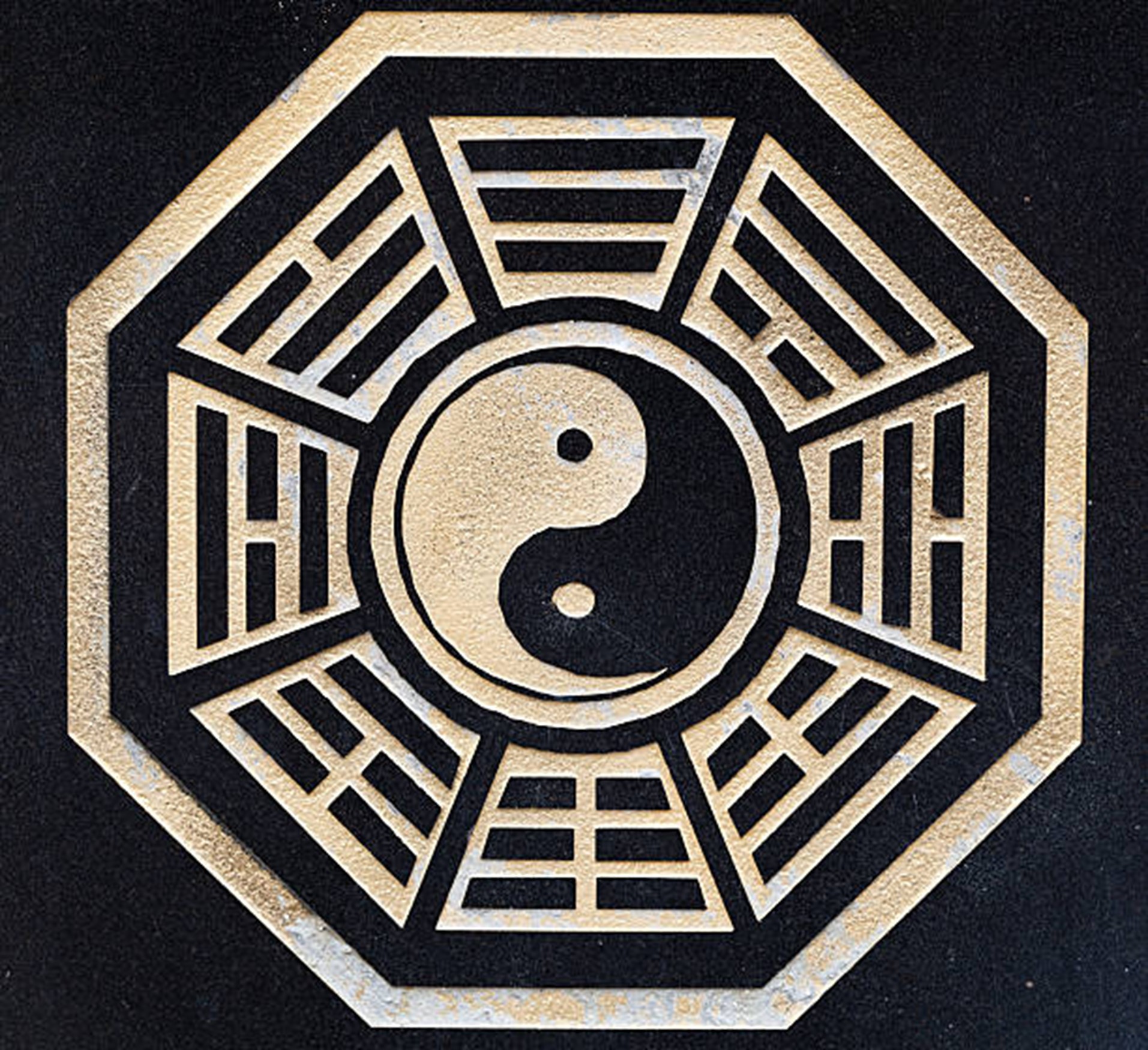
Daoism (also, Taoism) is a philosophy, religion, way of life, and self-development path that is native to China, and has existed for thousands of years in many forms.
Prominent Daoist texts are the Tao Te Ching (c. 500 BC), the Chuang Tzu (c. 300 BC), and the Huang Di Neijing Suwen, though only the latter is specifically focused on human health.
Daoism emphasises that health is best achieved and maintained when we live our lives in accordance with natural principles, and aim to find balance in all areas of our lives. To practically utilise this method as healthcare, it is important to have an understanding of Qi.
While most often understood as “energy” or “vital force”, Qi can also be thought of as both substance and process, form and action, source and product, and it manifests in a multitude of ways.
Qi is the fundamental material of our existence. On the vast spectrum between the densest type of mineral, and energy so fine and subtle it can hardly be thought about (much less seen), Qi is every phase and form.
Looked at from this perspective, we can see not only how every aspect of our existence can affect our Qi, but also how every moment is an opportunity to improve and build our Qi.
It may therefore seem that extreme focus on every detail is necessary, but paradoxically, following the Daoist way is best served by “loosening” our attachment to fixed ways of thinking, so that we can be fully in the moment and therefore flow with nature. This unlearning is, of course, its own form of learning (Daoism is full of paradoxes).
The exploration of Qi, and its categorisation into various sub-types, has been pursued over many centuries of Chinese culture.
As well as medicine, individuals have taken many different experiential lines of inquiry, such as meditation, martial arts, and feng shui, and returned with understanding which was then applied and absorbed into the whole, creating a more complete picture with every achievement and every era.
An easy way to begin working with Qi is through health-based exercises known as Qigong (the “gong” meaning work, skill, or talent).
Traditionally, a large part of the reason for Daoists staying healthy was to enable them to refine themselves (back) into a natural state, by means of reflection, meditation, and spiritual work, which could require long periods of sitting.
Therefore, early training required the performance of various activities to strengthen the body and improve the circulation of blood and Qi, so that it could withstand the rigours of prolonged sitting.
The Yi Jin Jing Qigong form, which we are currently practising in our 7:30am Monday Qigong class at Kundalini House, was created by Damo (Bodhidharma) for the Shaolin monks for this express purpose, as he found that they had neglected their physical health (this may seem surprising given their current fame as athletic warrior monks).
This is an example of Buddhism and Taoism using the same principles, and in fact, the two traditions have often communicated and cross-pollinated over the centuries, as they share many goals and practices.
Applying Taoist principles to health requires some flexibility and adaptation, given that our current lives are quite different from those of ancient times.
Abut Simon Murray
Simon Murray is an experienced Chinese Medicine practitioner, Qigong Master, and Tai Chi instructor based in Melbourne’s northern suburbs. With decades of study and practice, Simon brings depth, clarity, and humility to the Taoist tradition, translating complex principles into lived, practical wisdom that can genuinely support health, vitality, and resilience.
Simon offers Acupuncture and Chinese Herbal Medicine consultations at Kundalini House, working with the body’s natural capacity to restore balance and support long-term wellbeing.
You are warmly invited to book a session with Simon if you are seeking thoughtful, integrative care grounded in classical Chinese Medicine and embodied Daoist practice.
👉 Bookings available via the Kundalini House clinic
Simon also Teaches Integrative Qi Gong every Monday at 7:30am in the Kundalini House Studio.
Classes consist of slow stretches and gentle flowing movements that focus on alignment of the breath and visualisation, in combination with stillness-based mindful meditation.
All classes are suitable for beginners through to advanced students of yoga

Leave A Comment