
If you’ve ever felt stuck in recurring patterns of anxiety, overwhelm or emotional distress despite understanding why you feel the way you do, you may have wondered whether talking alone is enough.
Body Centred Therapy is an approach that works with both the mind and the body, recognising that our experiences, emotions and trauma are often held not only in our thoughts but also in our physical sensations. By learning to listen to the body’s wisdom in a safe, supported way, many people discover new pathways towards healing, self-understanding and lasting change.
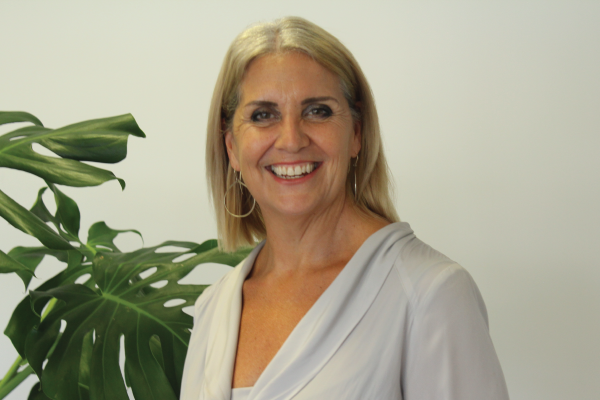
We spoke with Kundalini House Body Centred Therapist Anna Papadakis about how Body Centred Therapy works and who it may benefit.
What is Body Centred Therapy and how can it help?
Body Centred Therapy (BCT) is a profound therapeutic approach that works with both the body and the mind to address long-standing emotional patterns as well as current life challenges.
While the mind naturally tries to analyse problems, find solutions or make uncomfortable feelings disappear, the body often holds valuable information that hasn’t yet been fully processed or understood. From a Body Centred Therapy perspective, every emotional experience also has a physical expression.
Take anxiety, for example. Alongside racing thoughts or self-doubt, many people notice tightness in the chest, constriction in the throat, tension around the heart, or a sense of being unable to breathe deeply. Rather than seeing these sensations as something to suppress or fight against, Body Centred Therapy approaches them with curiosity.
Often these sensations have much deeper roots than the situation we find ourselves in today. They may reflect earlier experiences such as childhood insecurity, difficult family relationships, loss, or traumatic events that the nervous system has never had the opportunity to fully process.
The mind often wants to get rid of uncomfortable feelings. The body wants us to pay attention to them.
When we gently bring awareness to these sensations, we begin to understand what they are trying to communicate. Beneath the discomfort are often unmet emotional needs, protective responses and deeply held patterns that once helped us survive.
One of the most important ingredients in this process is the experience of being met with loving, compassionate, non-judgemental presence. From this place, the nervous system can gradually begin to integrate experiences that previously felt overwhelming.
What happens during a Body Centred Therapy session?
Each session is guided by your own body and your own pace.
You may begin by talking about what has brought you to therapy before gently exploring what is happening within your body in the present moment. Rather than analysing every thought, your therapist supports you to notice physical sensations, emotions and inner responses with curiosity and compassion.
As you become more present to your experience, new insights often emerge naturally. People frequently discover that experiences which once felt confusing begin to make sense in a completely different way. From this place, greater self-understanding, self-compassion and lasting change can begin to unfold.
Many people find this difficult to do alone. Having the calm, grounded presence of an experienced Body Centred Therapist creates a sense of safety that allows deeper parts of ourselves to be seen, understood and integrated.
The foundations of Body Centred Therapy
Some of the core principles of Body Centred Therapy include:
- Your body’s sensations are meaningful rather than something to fight against.
- Physical sensations are one of the body’s ways of communicating.
- Within each person is an innate capacity for wisdom, healing and finding new ways forward.
- Learning to listen to the body with compassion often opens the door to greater clarity, resilience and connection.
Ultimately, what many of us long for is a deeper connection with ourselves. As that relationship strengthens, our capacity for connection with others, nature and the world around us often grows as well.
How do you know if Body Centred Therapy is right for you?
Many people who seek Body Centred Therapy have already explored other therapeutic approaches but continue to feel caught in recurring emotional patterns.
You may benefit from Body Centred Therapy if you:
- experience ongoing anxiety, overwhelm or emotional distress
- understand your challenges intellectually but still feel stuck
- have experienced trauma or difficult relationships
- notice that stress consistently shows up in your body
- long to feel more connected to yourself
- are ready to explore your experiences with openness and curiosity.
Body Centred Therapy is not something that is done to you. It is a collaborative process that invites your active participation. While the work can sometimes feel challenging, many people find it deeply meaningful because it offers a new way of understanding themselves with compassion rather than judgement.
What if the feelings become too overwhelming?
One of the beautiful aspects of Body Centred Therapy is that it follows the wisdom and pacing of your own nervous system.
Your body has an innate sense of what feels manageable. An experienced therapist helps create enough safety that you can gently approach difficult emotions without becoming overwhelmed by them.
Many people discover, often for the first time, that they can experience powerful emotions while remaining grounded and supported. This can be an enormous relief. As we gradually allow ourselves to feel what we’ve spent years avoiding, compassion naturally grows and new possibilities begin to emerge.
Why would I focus on painful feelings when I’m trying to get rid of them?
At first this can seem completely counterintuitive.
Much of our energy is often spent trying to avoid, fix or push away difficult emotions. Yet the more we struggle against them, the more persistent they can become.
Body Centred Therapy offers a different perspective.
Rather than viewing painful sensations as the problem, they are understood as important messages from the body—signals pointing towards experiences, needs or beliefs that are asking for our attention.
It’s a little like a child repeatedly trying to get our attention. The more they are ignored, the louder they become. When they are finally met with patience, curiosity and care, something begins to soften.
When we learn to listen to our body in this way, we begin treating ourselves with the same compassion we naturally offer those we love. From that place, healing becomes less about forcing change and more about creating the conditions in which change can arise naturally.
Ready to explore Body Centred Therapy?
If you’re feeling stuck, overwhelmed or disconnected from yourself, Body Centred Therapy may offer a different path forward.
 At Kundalini House, Anna Papadakis provides a warm, compassionate space where you can safely explore the connection between your body, emotions and lived experience, allowing healing to unfold at a pace that feels right for you.
Book directly with Anna:
0408 954 120
anna@openingtolife.com.au
www.annapapadakis.com.au
Testimonial:
“I spent most of my life completely disconnected from my body—people-pleasing, overextending myself, living with chronic illness, and ignoring who I truly was and what I needed.
I’d seen other therapists over the years, but it wasn’t until I met Anna that everything began to change. She gently guided me back to myself, helping me reconnect my mind and body in a way I never thought possible.
This journey has been incredibly life-changing and deeply vulnerable, and I honestly couldn’t have done it with anyone else. Anna has a rare gift. She brings an extraordinary combination of warmth, wisdom, knowledge, and intuition that makes you feel completely seen, understood, and safe.
If you’re considering working with her, do yourself a favour and trust this incredible human. She has an amazing ability to help make sense of the things we sometimes can’t make sense of ourselves, especially when life has left you feeling disconnected from yourself.” M. T.



Leave A Comment